

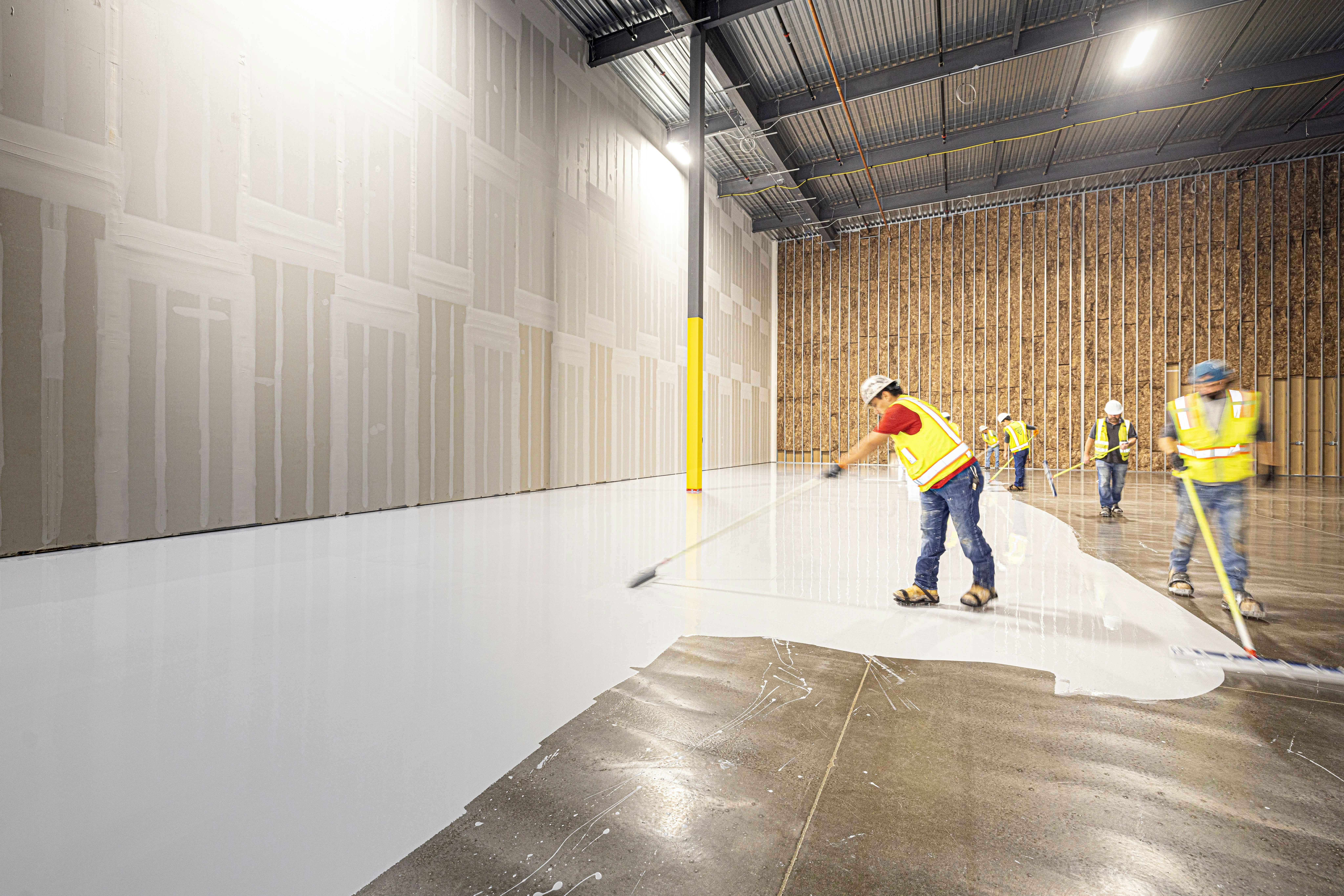
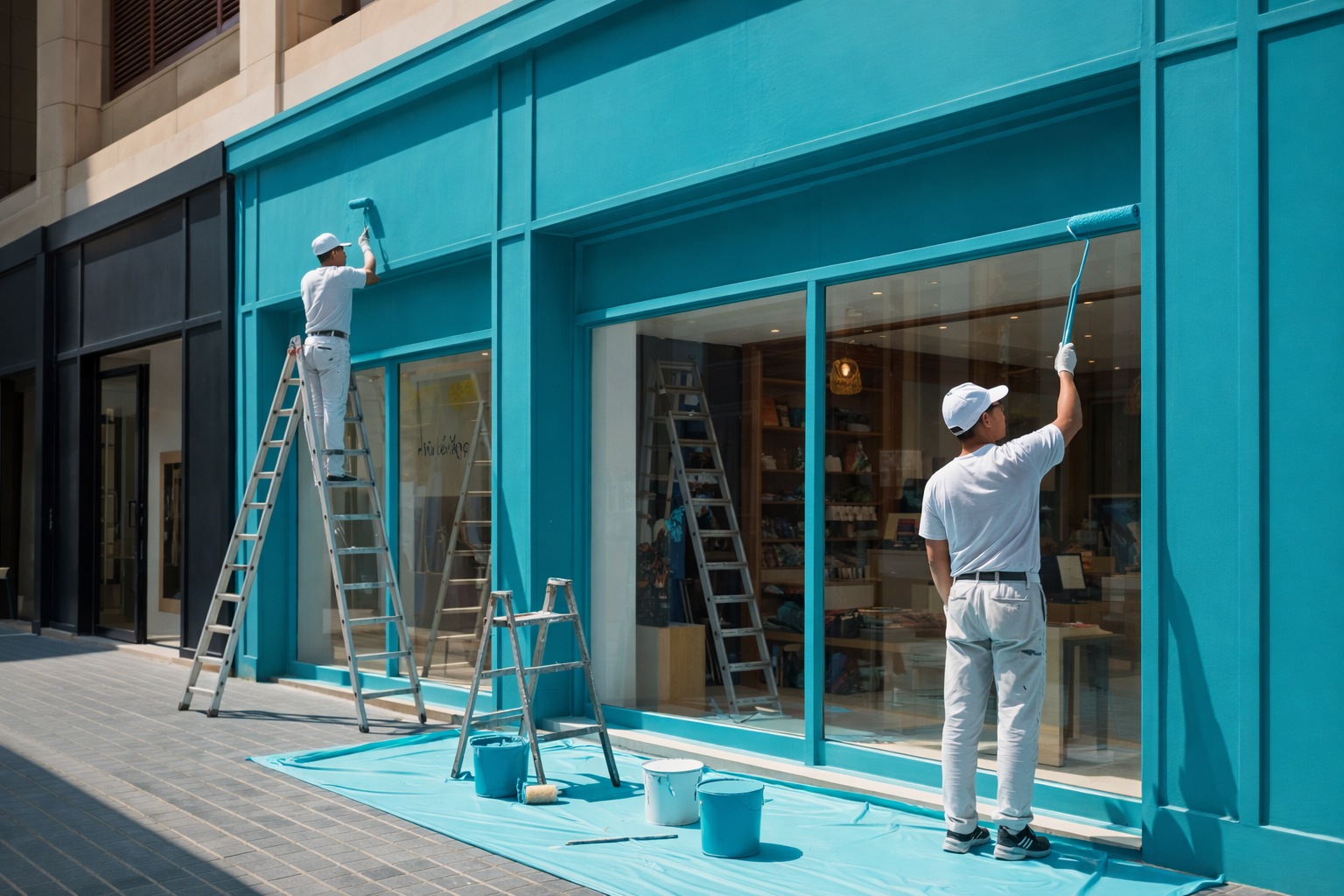
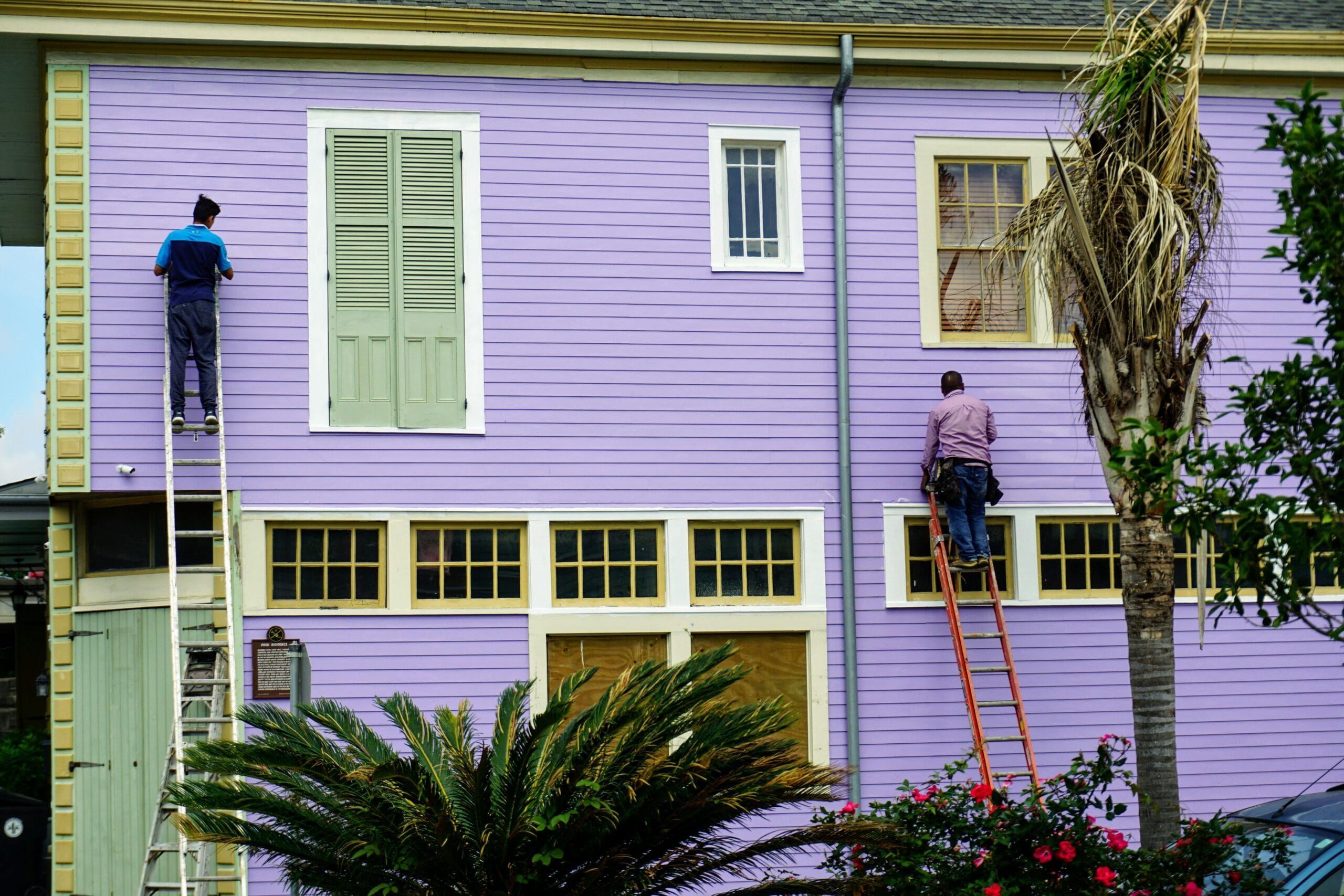











Looking for Epoxy Painting Service in Australia? Choosing the right flooring for your property is a significant decision that impacts both the aesthetics and the long-term value of your investment. In Australia, the demand for high-performance surfaces has led to a surge in epoxy painting service. Whether you are looking to revitalize a residential garage, a commercial showroom, or a heavy-duty industrial warehouse, epoxy provides a seamless, “rock-hard” finish that standard concrete paint simply cannot match.
For those seeking premium results, engaging a professional like Urban PAINTER ensures that the complex chemical process of epoxy application is handled with precision. From diamond grinding the substrate to applying UV-stable topcoats, a professional service transforms a dull concrete slab into a functional masterpiece.
The Versatility of Epoxy Painting Service in Australia
Epoxy Painting Service is not a “one-size-fits-all” product. It is a polymer system consisting of a resin and a hardener. When mixed, these components trigger a chemical reaction that creates a rigid plastic material that bonds incredibly well to prepared concrete. In the Australian market, several distinct systems are popular depending on the intended use of the space.
| Epoxy System Type | Primary Use Case | Key Visual Characteristic |
| Solid Colour | Industrial warehouses, back-of-house | Uniform, clean, and professional |
| Flake Flooring | Residential garages, patios, schools | Multicoloured chips, textured finish |
| Metallic Epoxy | Retail stores, modern home interiors | Marbled, 3D flowing effects |
| Anti-Slip Coating | Commercial kitchens, ramps | High-traction, safety-focused |
Why Professional Installation Matters
While DIY kits are available at local hardware stores, they often lack the “100% solids” content found in industrial-grade products used by Urban PAINTER”s Epoxy Painting Service. Professional installers utilize heavy machinery to “open” the pores of the concrete through diamond grinding. Without this critical step, the epoxy sits on the surface rather than anchoring into it, leading to peeling and “hot tire pick-up” in garages.
Furthermore, Australia’s harsh UV rays can cause standard epoxies to yellow or “chalk” over time. A professional epoxy painting service will typically include a polyaspartic or polyurethane topcoat to ensure the floor remains vibrant even when exposed to sunlight through windows or open garage doors.
Cost Considerations for 2026 Epoxy Painting Service in Australia
The cost of an epoxy painting service in Australia varies based on the size of the area, the condition of the concrete, and the complexity of the finish. Generally, larger areas benefit from a lower price per square metre.
| Service Level | Estimated Cost (per m²) | Best For |
| Basic (2-Coat Solid) | $35 – $50 | Budget-conscious utility spaces |
| Decorative Flake | $60 – $95 | Garages and high-traffic retail |
| Premium Metallic | $100 – $160 | High-end showrooms and luxury homes |
| Industrial Heavy-Duty | $110 – $180 | Manufacturing and chemical plants |
Durability and Maintenance Benefits
One of the primary reasons Australians choose epoxy is its legendary durability. A professionally installed floor can last 10 to 20 years with minimal maintenance. Because the surface is non-porous, it does not absorb oil, chemicals, or spills, making it an ideal choice for hygienic environments like medical clinics or food preparation areas.
Cleaning is remarkably straightforward. Most epoxy floors only require a regular sweep with a soft-bristle broom and an occasional mop with a pH-neutral cleaner. Unlike tiles, there are no grout lines to scrub, and unlike timber, there is no need for periodic sanding or polishing.
Enhancing Safety and Lighting
Safety is a top priority for commercial operators in Australia. Epoxy painting service in Australia allow for the integration of non-slip additives (such as glass beads or quartz) that provide traction even when the floor is wet. Additionally, the reflective nature of high-gloss epoxy can increase the brightness of a room by up to 200%, reducing the need for additional artificial lighting and lowering energy costs.
Frequently Asked Questions (FAQ)
1. How long does the installation process take?
Typically, a standard residential or commercial project takes 2 to 3 days to complete. This includes one day for surface preparation and base coats, followed by the decorative broadcast and final top-sealing.
2. Is epoxy flooring slippery when wet?
Smooth epoxy can be slippery; however, professional installers add anti-slip aggregates to the final coat to ensure the floor meets Australian safety standards for traction.
3. Can epoxy be applied over old, cracked concrete?
Yes. Part of the professional service involves repairing cracks and divots with epoxy fillers before the main coating is applied, resulting in a perfectly smooth finish.
4. Does epoxy have a strong smell during application?
While some industrial solvents have odors, many modern “100% solids” and water-based systems are low-VOC (Volatile Organic Compounds) and are safe for indoor use.
5. How long before I can walk or drive on the new floor?
You can usually walk on the floor within 24 hours. However, it is recommended to wait 72 hours for light vehicle traffic and 7 days for a full chemical cure before heavy use.
6. Will the colour fade in the Australian sun?
Standard epoxy may yellow under direct UV. To prevent this, professionals use a UV-stable topcoat like polyaspartic to ensure long-term colour retention.
7. Can I apply epoxy over existing tiles?
It is possible if the tiles are firmly bonded. The surface must be heavily sanded or ground to ensure the epoxy can adhere to the ceramic or porcelain surface.
8. Is epoxy better than polished concrete?
Epoxy offers better chemical resistance and a wider range of decorative options, whereas polished concrete is often chosen for its natural, industrial aesthetic and breathability.
